COVID-19 is placing stress on Canada's public health system. Our clinic is starting to offer virtual care to make sure that we can continue to care for our patients safely and effectively. This means that we will be using video and audio technologies for some patient visits rather than asking all patients to come into our office. Some of these technologies are provided by the Province. Others have been provided by vendors like Google, or Apple to help make discussions with your care provider as easy as possible during these difficult times. Some health concerns can be addressed with virtual care alone, but in some cases your doctor may ask you to visit a hospital or other health care facility if necessary, for a physical examination.
We do our best to make sure that any information you give to us during virtual care visits is private and secure, but no video or audio tools are ever completely secure. There is an increased security risk that your health information may be intercepted or disclosed to third parties when using video or audio communications tools. To help us keep your information safe and secure, you can:
Understand that emails, calls, or texts you receive are not secure in the same way as a private appointment in an exam room.
Use a private computer/device (i.e., not an employer's or third party's computer/device), secure accounts, and a secure internet connection. For example, using a personal and encrypted email account is more secure than an unencrypted email account, and your access to the Internet on your home network will generally be more secure than an open guest Wi-Fi connection.
You should also understand that electronic communication is not a substitute for in-person communication or clinical examinations, where appropriate, or for attending the Emergency Department when needed (including for any urgent care that may be required).
If you are concerned about using video or audio tools for virtual care, you can ask our office to arrange for you to visit a different healthcare provider or other health care center where you can be seen in person. However, please note that visiting a health care provider in person comes with a higher risk of coming into contact with COVID-19 and the possibility of spreading the virus.
By providing your information, you agree to let us collect, use, or disclose your personal health information through video or audio communications (while following applicable privacy laws) in order to provide you with care. In particular, the following means of electronic communication may be used (identify all that apply): email, videoconferencing (including Skype, Facetime, etc.), text messaging (including instant messaging), website/portal, OnCall.
April 1, 2020
A note to our patients. We have suspended all in-office visits at this time due to COVID 19. However, if you have an appointment currently booked with our office you will receive a call 2 days prior to that appointments. We will advise you how we will be able to proceed. Wishing you and your family safety and vitality during this challenging time.
If you need a renewal your prescriptions during the COVID-19 #stayathome period, please have your pharmacy fax your renewal request. Our fax number is 905-639-7647. Be well!
Update About Our Office During This Outbreak of Corona Virus : March 15, 2020
On the advice of the Ministry of Health we are changing our office protocols to ensure minimization of risk to our patients and our staff.
Starting the week of March 16, 2020 we will try to change as many patients visits as we can to virtual electronic visits. Initially most will be by phone. There are some patients who have already made arrangements to come to the office and, if they do, we will see them, once again minimizing risks by using frequent hand washing and minimized personal contact.
For the majority of scheduled patients we will set up visits through OnCall Health. One of the problems with phone visits is that each person requires individualized attention and some visits unexpectedly may take longer than others. We will make every effort to keep on schedule but at times we may be delayed.
Dr Lawrence Komer
Medical Director
The Komer Clinics
Great news! The Komercare Clinics are accepting new patients for brain health, women's health, and men's health. Contact your physician for a referral to the Komercare Clinics. We look forward to serving you! 905-639-2571









Dr. Lawrence D. Komer Medical Professional Corporation
 Call Us : 905-639-2571
 contact@drkomer.com *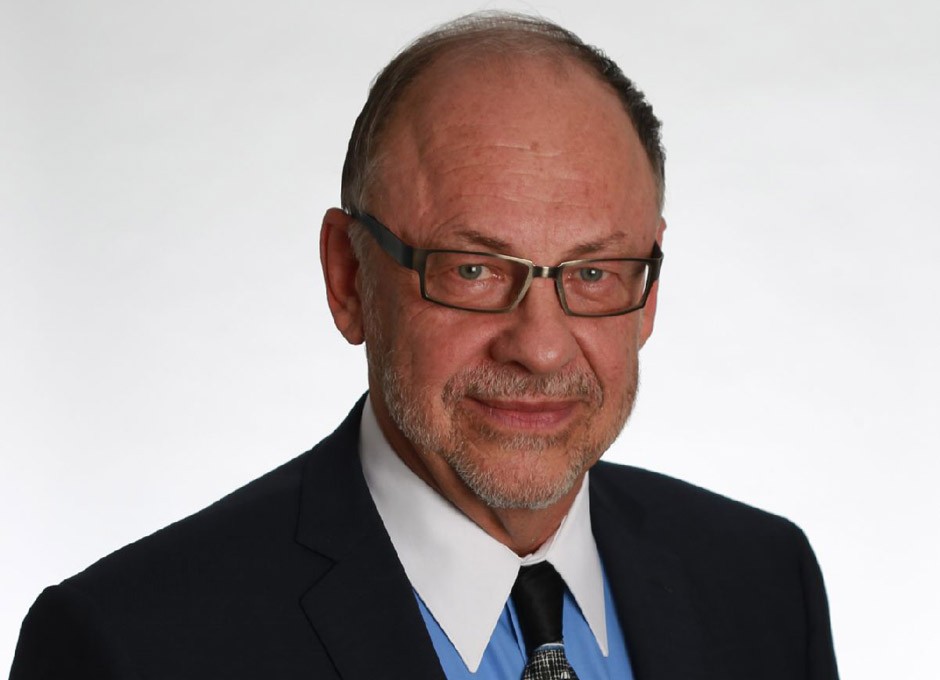
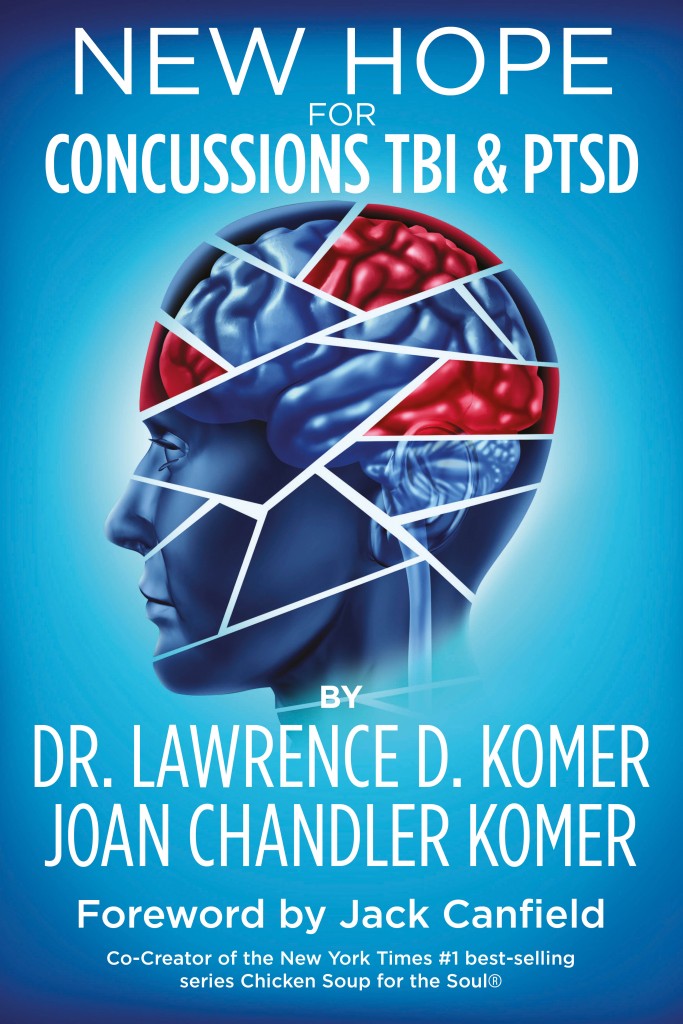
Great news! The Komercare Clinics are accepting new patients for brain health, women's health, and men's health. Contact your physician for a referral to the Komercare Clinics. We look forward to serving you! 905-639-2571
The Komer Clinics
Women’s Health

Men’s Health
Master Men's Clinic
Brain Health
The Komer Brain Science Institute
Professional Education
Public Seminars & Webinars
Corporate Health Consulting
Peak Performance Executive Health
Komercare Group of Associated Clinics
Learn More
Concussion Seminar
Biography
Dr. Komer has pioneered several treatment methods recognized as leading-edge protocols for the treatment of menopause, Andropause (low testosterone) and traumatic brain injury.
Dr. Larry Komer trained at Queen’s University, Kingston, Ontario with a degree in physiology (the science of how living organisms function). He went on to receive his MD degree at Queen’s and then went to McMaster University, Hamilton Ontario where he earned his specialty degree in Obstetrics and Gynecology. Dr. Komer is Associate Clinical Professor at the Michael G. DeGroote School of Medicine, McMaster University, Hamilton, Ontario. He joined the staff of the Joseph Brant Memorial Hospital in Burlington, Ontario in 1976 and since then has delivered almost 13,000 babies. He introduced many new gynecologic techniques to the hospital including operative endoscopic surgery, operative tubal surgery and reversal of sterilization, gynecologic laser surgery, diagnostic and operative hysteroscopy and founded the Bone Health Clinic during his research in osteoporosis. His office practice has included a wide range of gynecologic assessments but in the last 20 years has focused on hormonal evaluation and hormone replacement therapy (Interventional Endocrinology). He has been a leader in the treatment of menopause, writing guidelines for physicians and delivering more than 100 talks entitled “Be Menopositive” with his wife Joan. He has assessed and successfully treated more than 12,000 women who are suffering from poor hormonal function.
In 2004 he became Founder and Director of the Masters Men’s Clinic. This is now the largest clinic in Canada diagnosing, treating and doing research on testosterone deficiency syndrome. The clinic has now assessed and treated more than 5000 patients. Dr. Komer has been on the Board of Directors of the Canadian Society for the Study of the Aging Male.
During that time he observed the link between traumatic brain injury and low hormones in both men and women and has been a leading advocate for hormonal restoration to re-establish normal brain function.
Dr. Larry Komer's CV
The Komer Method
The CORNERSTONE of The Komer Method is the attitude that only OPTIMAL is acceptable.
This encompasses optimal levels for hormones, blood chemistry, nutrients, supplements, nutrition, exercise and behavior for each individual.
Many lab ranges are very wide and are accepted as “normal”. Large portions of these ranges include levels that are far from ideal. The Komer Method has developed its own set of optimal ranges, and strives to achieve these for each patient.
When physicians treat abnormal blood sugars or high cholesterol or high blood pressure, they choose the ideal standard as the levels for a healthy young adult. However, when the same physicians correct abnormal hormone levels, they do not follow this practice. In fact, they will accept aging and deterioration of hormone levels as a normal event. Dr. Komer’s belief, and what has worked so successfully in his practice, is that achieving these optimum levels at any age fine tunes the body to minimize the effects of age, time and stress. These levels result in men and women who are their healthiest. They lead to a reduction in long term illness and an increase in wellbeing.
These optimal values have been developed over years of experience, by research by Dr. Komer and others, and by patients reporting back what makes them feel their very best.
The Komer Method has developed its own protocols for diagnosis and for treatment for various conditions, and these have been tested and improved in thousands of individuals. Innovation and continuous improvement of all protocols is ongoing. Medical literature is reviewed daily to integrate new research into The Komer Method.
A major emphasis of the Komer Method has been dedicated to achieving ideal hormone levels in both genders, for such conditions as menopause in women and low testosterone in men.
Dr. Komer also treats other individuals, including both pro and amateur athletes, suffering from concussions or injuries. He has a particularly large percentage of men and women who are in the military, are police officers, correctional officers or firemen. These professions involve stress and long hours and sometimes trauma, which can lead to abnormal hormone levels. There is especially a need for understanding, assessment and treatment of these individuals.
Dr. Komer has been an innovator in bringing new techniques and new ideas to medicine and has, at times, stood alone in championing ideas that have turned out to be leading edge concepts in medicine. In his personal practice, he has over 12,000 women and 5,000 men in his program who are reaping the benefits of hormone restoration. They are feeling well and happy, functioning optimally and staying healthy.